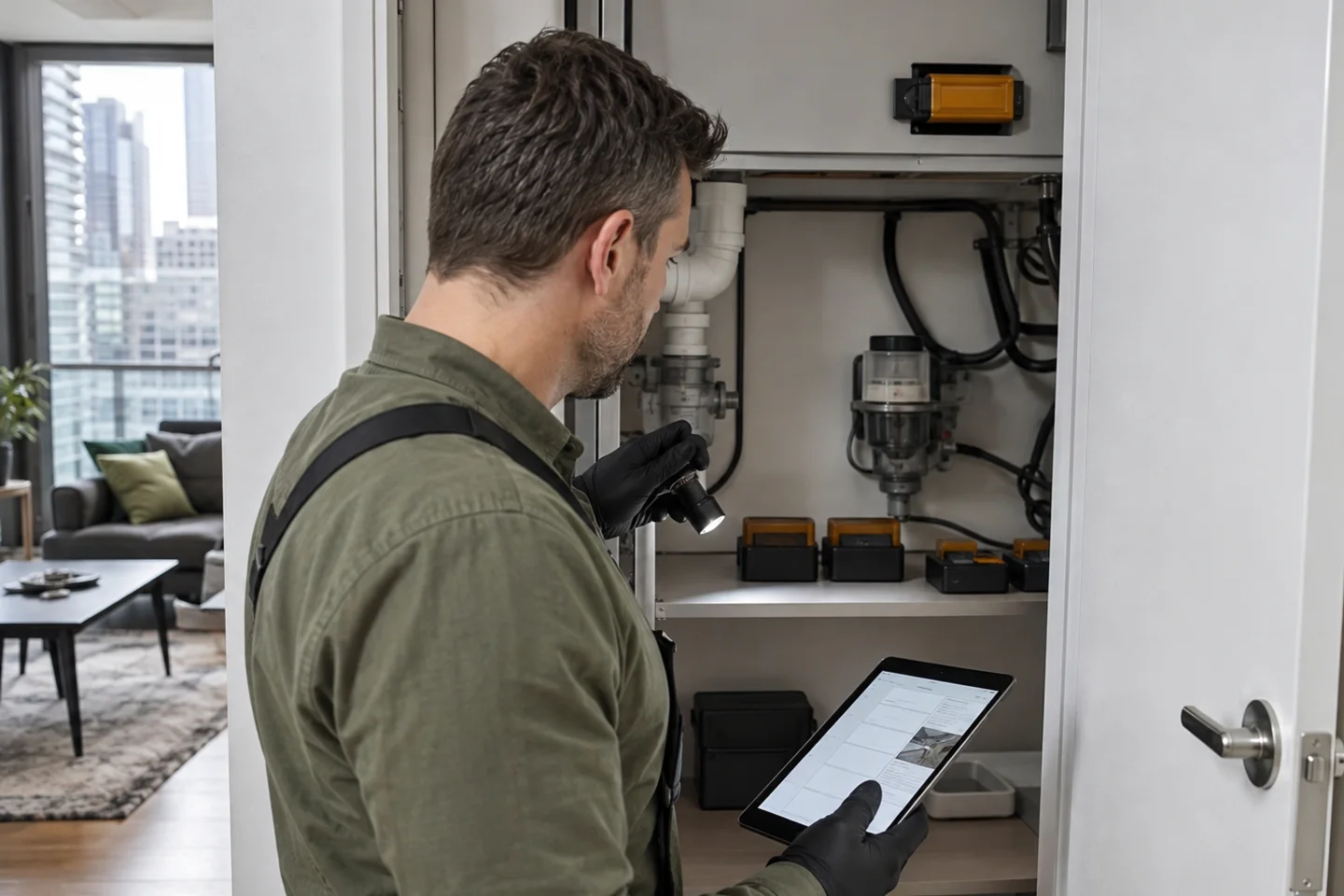
 FIELD GUIDE 01
Pest control in Toronto: what happens from identification to follow-up
A complete evidence-led path from the first observation to inspection, lawful treatment selection and monitored follow-up.
PEST CONTROL TORONTO · EVIDENCE BEFORE ASSUMPTION
Show the sign, map the room and record the timing. The next step is identification and inspection—not a remote promise about products, safety or elimination.
 EVIDENCE FIELD / KITCHEN
The complete request also asks for property type, rooms, occupants, prior treatment and nearby-unit concerns.
TORONTO PEST INSPECTION WORKFLOW
A useful pest-control request distinguishes what the customer observed from what an inspector confirms. It records rooms, activity time, access, occupants, connected units and prior products before a licensed treatment decision.
The working identity makes no unverified claim about licences, insurance, methods, guarantees or urgent response. Those facts remain production gates until the operator supplies evidence.
How the inspection request works ↗PEST CONTROL SERVICES TORONTO
Submit the pest sign, room, property type and activity pattern for a structured Toronto inspection request.
Inspect this concern ↗02Distinguish suspect signs from confirmed evidence before treatment class, preparation and follow-up are selected.
Inspect this concern ↗03Map sightings, harbourage, moisture, food sources and neighbouring-unit concerns before a control plan is approved.
Inspect this concern ↗04Connect interior signs to exterior gaps, food access and monitoring instead of treating one sighting as the whole problem.
Inspect this concern ↗05Record evidence without handling it and request an inspection of travel routes, exterior conditions and structural access.
Inspect this concern ↗06Photograph the trail and note moisture, season, room and suspected entry so identification can guide the lawful plan.
Inspect this concern ↗07Keep distance, identify the nest location and describe entrance risk before availability or removal method is considered.
Inspect this concern ↗08A wildlife request is accepted only after species, legal constraints and the licensed or authorized provider relationship are verified.
Inspect this concern ↗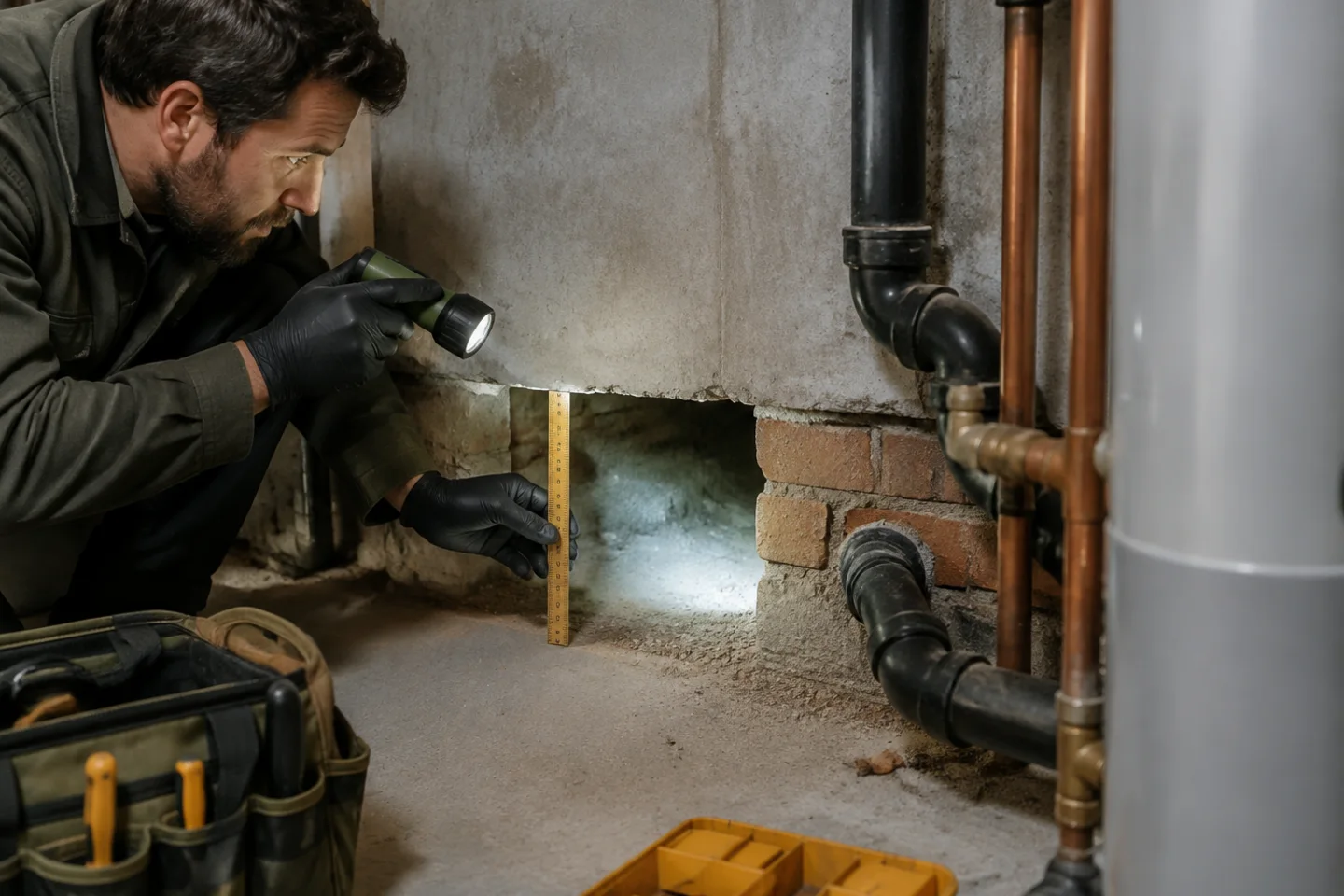
MOUSE CONTROL TORONTO
Map interior evidence, wall-edge travel, food access and utility or foundation openings. Then use inspection and monitoring to decide which route assumptions are real before exclusion work is finalized.
PEST CONTROL BY PROPERTY TYPE
Interior evidence by floor · Foundation, utility and roof openings
Open evidence file ↗PROPERTY FILE 02Unit and shared-wall evidence · Management permission and related units
Open evidence file ↗PROPERTY FILE 03Tenant and owner responsibilities · Adjacent-unit and riser concerns
Open evidence file ↗PROPERTY FILE 04Authorized contacts and notice process · Unit and common-area evidence maps
Open evidence file ↗PROPERTY FILE 05Site-specific sensitive zones · Monitoring and sanitation records
Open evidence file ↗PROPERTY FILE 06Business and landlord contacts · Evidence and monitoring zones
Open evidence file ↗TORONTO PEST CONTROL AREAS
Each neighbourhood page connects building patterns to inspection questions. Coverage still depends on pest, property, licence class, access and verified availability.
Check Toronto coverage contextTORONTO PEST CONTROL GUIDES
FIELD GUIDE 01A complete evidence-led path from the first observation to inspection, lawful treatment selection and monitored follow-up.
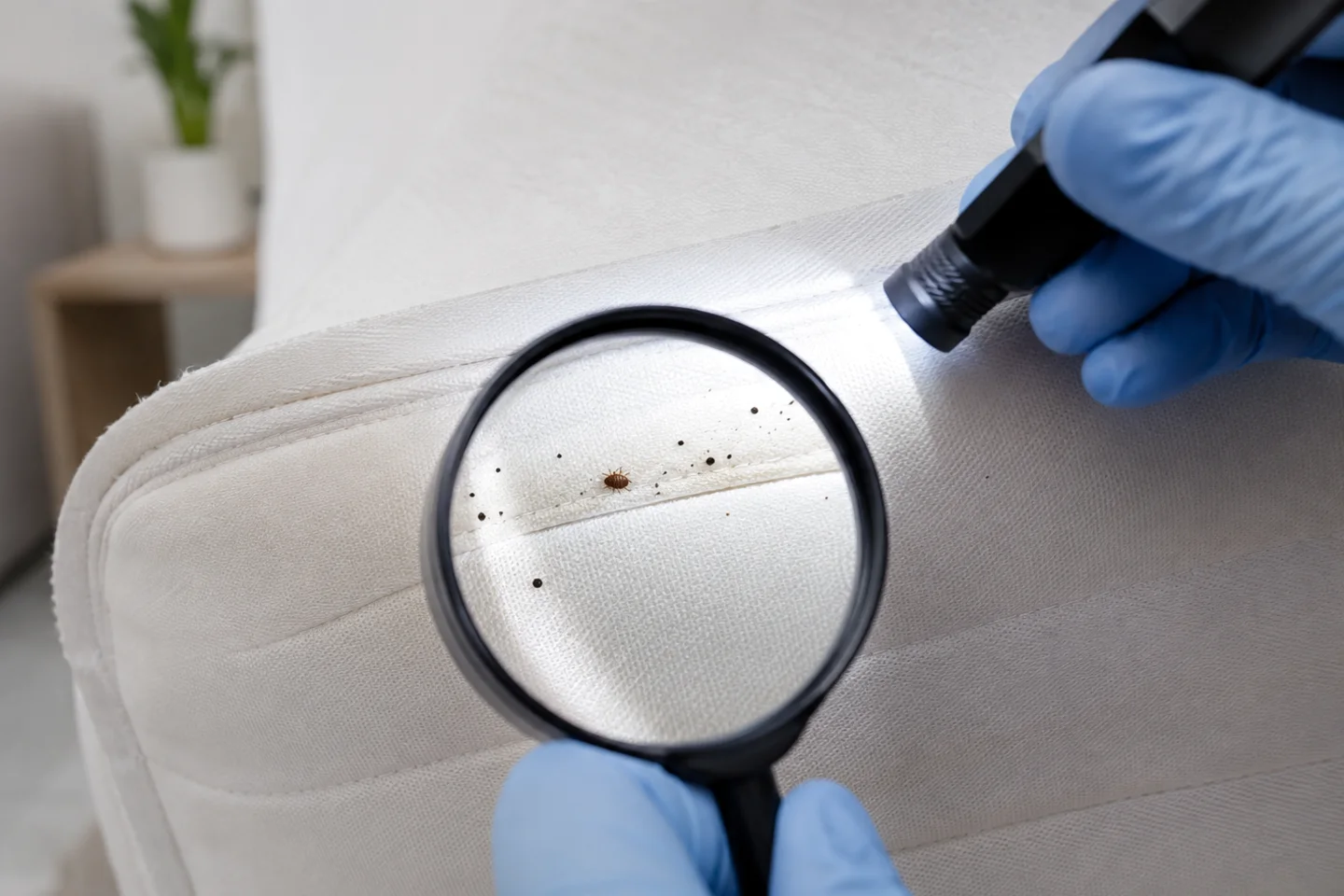 FIELD GUIDE 02
How evidence, room use, belongings, building coordination and the licensed operator’s exact preparation sheet fit together.
 FIELD GUIDE 03
Coordinate identification, moisture and food conditions, connected service routes, unit access and monitoring records.
START WITH EVIDENCE